November 15, 2026
November 15, 2026
Is Wood from Pallets Treated? How to Identify Safe and Treated Pallets
Pallets have become a favorite material for DIY projects, from garden planters to rustic furniture, and businesses rely on them every day to move freight safely. Before you cut into one or stack your products on it, there is an important question worth answering: is wood from pallets treated, and if so, how was it treated? The answer matters for your health, your project, and the safety of whatever goods you are shipping. As a pallet manufacturer in Milwaukee, we field this question regularly from both companies and hobbyists who want to be sure they are working with safe material.
The short answer is that not all pallets are treated the same way, and some treatments are perfectly safe while others are best avoided for certain uses. Learning to read the clues stamped right into the wood is the easiest way to protect yourself. Let's walk through what those markings mean, how different treatments work, and how to tell a safe pallet from one you should leave alone.
Why Pallets Get Treated in the First Place
Raw wood is organic, which means it can carry insects, fungi, and pests. When pallets cross international borders, those hitchhikers can introduce invasive species that damage forests and crops. To prevent that, many countries require wood packaging used in export to be treated under an international standard. Treatment also helps wood resist decay and extends the usable life of a pallet, which is why so many shipping pallets receive some form of processing before they ever reach a loading dock.
So when someone asks is wood from pallets treated, the honest answer is that it depends on where the pallet was made, what it was used for, and whether it was intended for domestic or international shipping. Many pallets used only within the United States are never chemically treated at all. Others carry treatment specifically because they were built to travel overseas.
How to Read a Pallet Stamp
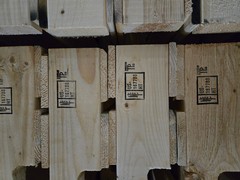
The most reliable way to know what you are dealing with is to find the stamp, usually branded onto the side stringer or block of the pallet. Pallets that meet the international ISPM 15 standard carry a recognizable logo along with a set of letters that tell the story. The two codes you most want to notice are HT and MB.
HT stands for heat treated. These pallets were placed in a kiln and brought to a core temperature high enough to kill pests without using any chemicals. Heat treated wood is considered safe for reuse, including in projects where the wood may come into contact with food storage areas or living spaces, because no chemical residue is involved. MB, on the other hand, stands for methyl bromide, a chemical fumigant. Methyl bromide has been largely phased out because of health and environmental concerns, but older pallets stamped MB still circulate. If you see that code, it is best to avoid repurposing the wood for furniture, garden beds, or anything indoors.
You may also notice a code such as DB, which means debarked, along with country abbreviations and a facility number. If a pallet has no stamp at all, it was likely made for domestic use and probably was not chemically treated, but without the marking you cannot be fully certain of its history or what it may have carried.
Heat Treated vs. Chemically Treated: The Key Differences
Understanding the practical difference between these two methods helps you make quick, confident decisions. Heat treatment relies entirely on temperature, so the finished pallet is clean of chemical additives and safe to handle, cut, and reuse. It is the modern standard for export shipping and the preferred choice for companies that value both compliance and safety. We produce ISPM 15 certified heat treated pallets and crates for Milwaukee businesses with this goal in mind, giving businesses a way to meet international requirements without introducing any chemical exposure.
Chemical treatment, by contrast, introduces substances into the wood. Methyl bromide fumigation is the classic example and the one to steer clear of. Beyond the official treatment stamps, you should also think about what a pallet carried during its working life. A pallet may start clean yet pick up spills from solvents, oils, pesticides, or other industrial materials. Stains, strong odors, or unusual discoloration are warning signs that the wood absorbed something you would not want in your home or garden, regardless of how it was originally treated.
Spotting a Safe Pallet at a Glance
When you are sorting through a stack and want a quick safety check, keep a short mental checklist handy. These signals point toward a pallet that is safe to reuse:
- A visible HT stamp indicating heat treatment with no chemical fumigation.
- No MB marking anywhere on the stringers or blocks.
- Clean, unstained wood free of oily patches, chemical smells, or mystery residue.
- Solid, intact boards without excessive rot, mold, or deep cracking.
If a pallet fails any of these checks, especially the chemical ones, it is wiser to pass it by. There is no reliable way to remove absorbed chemicals from wood fibers, so sanding or sealing will not make a contaminated pallet safe. When the goal is a clean, dependable product, sourcing from a manufacturer is almost always the better route.
When to Choose New Over Reclaimed
Reclaimed pallets have their place, and reusing material is a responsible habit. For business shipping, food handling, pharmaceuticals, or any customer-facing product, however, the uncertainty around a used pallet's history is a real liability. You cannot always confirm whether that older unit answers the question is wood from pallets treated in a way that fits your needs, and the cost of guessing wrong can be high. New pallets built to spec remove the guesswork entirely.
This is where working directly with a producer pays off. We build custom wood pallets and skids to the dimensions and load ratings your operation requires, and we can supply heat treated units when export compliance is on the line. Companies throughout Milwaukee and the surrounding areas rely on that consistency to keep their supply chains moving without surprises. We also craft custom wood pallets in Baraboo, WI for customers who need the same reliability a bit farther west.
Putting It All Together
The next time you wonder is wood from pallets treated, remember that the pallet itself usually tells you. Look for the stamp, favor HT over MB, and trust your senses when it comes to stains and odors. Heat treated and unstained pallets are generally safe for reuse, while anything fumigated or soaked in unknown substances deserves to be set aside. A few seconds of inspection can spare you a lot of trouble.
For businesses, the surest path to safe, compliant material is to skip the uncertainty of salvaged wood and partner with a trusted wood manufacturer in Milwaukee that can deliver exactly what your products and shipments demand. Whether you need standard pallets, heat treated export units, or something built to your own specifications, we are happy to help you get it right. Reach out to our team and we will make sure the wood under your product is both safe and ready for the job.
Recent Posts
-
-

November 3, 2026
Cost to Ship a Crate Overseas: What Determines Your Shipping Price?
-
November 1, 2026
[Weight Capacity Guide] How Much Weight Can a Wooden Pallet Hold?
-
October 17, 2026
Pallet Wood Basics: What Is It Made Of?