November 3, 2026
November 3, 2026
Cost to Ship a Crate Overseas: What Determines Your Shipping Price?
When you are preparing a shipment bound for an international port, one of the first questions on your mind is usually about money. The cost to ship a crate overseas can vary dramatically from one shipment to the next, and that uncertainty makes budgeting difficult for manufacturers, exporters, and businesses of every size. As a crate manufacturer in the Milwaukee area, we help companies understand not just what their packaging costs, but how the design and construction of a crate influences the entire shipping bill.
The truth is that shipping price is rarely a single number pulled from a chart. It is the result of several moving parts working together, from the dimensions of your crate to the regulations of the country receiving it. Understanding those factors puts you in a stronger position to control expenses and avoid costly surprises at the dock.
Size and Weight Drive the Base Price
The most significant factor in the cost to ship a crate overseas is almost always the combination of size and weight. Ocean freight carriers commonly calculate charges using shipment volume or weight, depending on the freight arrangement and the greater applicable charge. This means an oversized but lightweight crate can cost just as much to ship as a compact, heavy one.
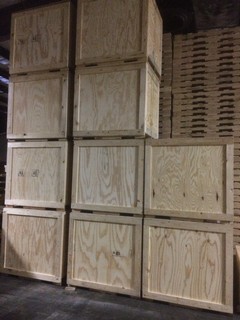
Because of this, how a crate is built matters enormously. A crate that is poorly designed with wasted interior space takes up more room in a container than necessary, driving up your freight charges. Working with an experienced manufacturer who can produce custom wood crates and wooden boxes in Milwaukee sized precisely to your product helps you avoid paying for air. Right-sizing the crate is one of the simplest ways to keep your shipping budget in check without sacrificing protection.
Destination, Distance, and Routing
Where your shipment is headed plays a central role in the final price. A crate traveling to a major port with frequent, direct sailings generally costs less than one bound for a remote destination that requires transshipment or inland transport on the far end. Longer distances, limited carrier availability, and complicated routing all add to the total.
Fuel costs, port fees, and seasonal demand also shift pricing throughout the year. During peak shipping seasons, container space can become scarce and rates may climb. While you cannot control global freight markets, planning shipments ahead of known busy periods and consolidating loads when possible can soften the blow. The destination also determines which compliance rules apply, and that brings us to one of the most overlooked cost factors.
Compliance and Treatment Requirements
International shipments made with wood packaging must meet phytosanitary standards designed to prevent the spread of pests across borders. The international standard known as ISPM 15 requires regulated wood crates, pallets, and dunnage to receive approved treatment and official markings when shipping to countries that enforce the standard. The USDA's ISPM 15 export packaging requirements explain the standards and treatment options. Skipping this step where it is required can result in non-compliant crates being rejected, treated at additional expense, or returned entirely.
Factoring compliance into your planning from the start prevents expensive delays. Using properly certified heat treated export crates helps your shipment meet applicable wood packaging requirements and reduces the risk of customs complications. The investment in proper treatment is generally far less than the potential cost of a shipment held up at a foreign port. This is one area where cutting corners simply does not pay off.
Crate Materials and Construction Quality
The materials and build of your crate affect both the upfront cost and the odds of a safe arrival. A flimsy crate may look cheaper on paper, but if it fails in transit, the damage to your product can dwarf any savings. Sturdy lumber, proper bracing, and secure fastening protect valuable cargo through the rough handling, stacking, and vibration that come with overseas transport.
At the same time, overbuilding a crate adds unnecessary weight that increases freight charges. The goal is a balance, a crate engineered to protect the specific product inside without excess material. Quality industrial lumber and well designed internal blocking keep contents immobile, which reduces the risk of in-transit damage claims. Understanding how industrial lumber and dunnage contribute to crate strength can help you choose the right materials for your shipment.
Insurance, Documentation, and Handling Fees
Beyond the freight itself, several supporting costs contribute to the cost to ship a crate overseas. Cargo insurance protects you against loss or damage and is strongly recommended for valuable goods. The premium depends on the declared value of your shipment and the level of coverage you select. For high-value cargo, this is a sensible expense that provides peace of mind.
Documentation, customs brokerage, terminal handling, and inland drayage all appear on the final invoice as well. These fees are easy to underestimate because they are spread across multiple service providers. Requesting a detailed quote that itemizes each charge helps you see the complete picture rather than being caught off guard by add-ons. A well-prepared shipment with accurate paperwork and properly marked crates tends to move faster and incur fewer accessorial charges along the way.
How to Keep Your Shipping Costs Reasonable
Controlling overseas shipping expenses comes down to smart preparation and good partnerships. A few practical steps make a real difference:
- Order crates sized precisely to your product to minimize wasted space and freight charges.
- Confirm ISPM 15 compliance is handled before your shipment leaves the facility when required by the destination country.
- Consolidate smaller items into fewer crates when it makes sense for the load.
- Plan shipments ahead of peak season to secure better rates and container availability.
- Work with a manufacturer who understands export packaging requirements.
Each of these choices compounds. A crate that is correctly sized, properly treated, and built to survive the journey saves you money at nearly every stage, from the freight charge to the handling fees to the risk of damage claims. The upfront attention to packaging quality often pays for itself many times over.
Understanding the cost to ship a crate overseas starts with recognizing that your packaging is not a separate expense from shipping, it is part of the same equation. The way a crate is designed, built, and certified directly influences what you pay the carrier and how confidently your goods arrive. Businesses serving Milwaukee and the surrounding areas rely on us to engineer export crates that protect their products and respect their budgets.
Whether you are exporting a single machine or managing regular international freight, the right packaging partner makes the process smoother and more predictable. We also support companies needing shipping crates in Beaver Dam and neighboring communities with the same focus on compliant, well-built packaging. When you are ready to plan your next shipment, contact us for a quote and let our team help you ship with confidence.
Recent Posts
-
-
November 1, 2026
[Weight Capacity Guide] How Much Weight Can a Wooden Pallet Hold?
-
October 17, 2026
Pallet Wood Basics: What Is It Made Of?