September 15, 2026
September 15, 2026
Before You Ship: Are Wood Pallets Treated?
A shipment held up at a foreign port because of a stamp missing from a pallet is one of the more frustrating and expensive problems a business can face. It happens more often than you might think, and it usually comes down to a single question that too many shippers overlook until the last minute: are wood pallets treated? Understanding the answer before your freight leaves the dock can save you delays, fines, and rejected cargo. As a pallet manufacturer in the Milwaukee area, we field this question regularly, and the short answer is that it depends on where your goods are going and how the wood was prepared.
Whether you move products across town in Milwaukee or across an ocean, the treatment status of your pallets carries real consequences. Some shipments require certified treatment by law, while others do not need it at all. Knowing the difference keeps your supply chain moving and your customers satisfied.
What Treatment Actually Means for Wood Pallets
When people ask whether wood pallets are treated, they are usually referring to a process that eliminates pests and organisms living in the wood. Raw lumber can harbor insects, larvae, and fungi that pose a threat to forests and agriculture in other regions. To prevent these hitchhikers from spreading, international shipping rules require that wood packaging materials be treated before crossing borders.
The most common method today is heat treatment, where pallets are placed in a kiln and brought to a core temperature of at least 56 degrees Celsius for a minimum of 30 minutes. This process kills off pests without introducing chemicals into the wood. In the past, chemical fumigation with methyl bromide was widely used, but heat treatment has largely replaced it because it is safer and more environmentally responsible. So when you ask whether a pallet is treated, you are really asking whether it has gone through a certified process that makes it compliant with international standards.
The ISPM 15 Standard Explained
The rule that governs all of this is called ISPM 15, short for International Standards for Phytosanitary Measures No. 15. It was developed to regulate wood packaging in global trade and is recognized by more than 180 countries. If your pallets are heading overseas, they almost certainly need to meet this standard.
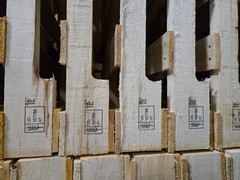
A compliant pallet carries a distinctive stamp that includes the international IPPC symbol, a country code, a unique facility number, and a treatment code such as HT for heat treatment. Customs officials look for this mark, and its absence can result in a shipment being refused, quarantined, or destroyed at your expense. We produce ISPM 15 certified heat treated pallets specifically so businesses can ship internationally without worrying about compliance headaches. The stamp is not a suggestion; it is the difference between smooth passage and a costly hold at the border.
Do Your Pallets Need to Be Treated?
Here is where many shippers get tripped up. Not every pallet needs treatment, and paying for it when it is unnecessary adds cost without benefit. The determining factor is almost always the destination and the type of wood involved.
To keep it simple, consider these general guidelines:
- Pallets used strictly for domestic shipping within the United States, such as moving goods between Milwaukee and neighboring communities, generally do not require ISPM 15 treatment.
- Pallets crossing international borders must comply with ISPM 15 and carry the proper stamp.
- Pallets made from engineered wood products like plywood or oriented strand board are often exempt because the manufacturing process already involves heat or adhesives that eliminate pests.
If you are shipping only within the country, are wood pallets treated in a way that adds compliance value? Usually not, and standard untreated pallets will serve you well. The moment your freight leaves the country, however, the calculation changes entirely and certified treatment becomes essential.
Treated Versus Chemically Preserved Pallets
There is an important distinction worth clarifying, because the word treated causes confusion. Heat treatment for ISPM 15 does not add any chemicals to the wood. It is simply a controlled heating process. This is very different from pressure treated lumber you might buy for outdoor decking, which is infused with chemical preservatives to resist rot and weather.
For shipping purposes, chemically preserved wood is rarely used because it can interfere with certain products and adds unnecessary cost. When we talk about whether a pallet is treated for export, we mean heat treatment that satisfies phytosanitary requirements. Knowing this distinction helps you communicate clearly with suppliers and avoid ordering the wrong product. If you are ever unsure which type your operation needs, our team is glad to walk you through the options.
How to Verify and Order the Right Pallets
The safest approach is to work with a manufacturer who understands both the standards and your specific shipping needs. When you order, be clear about your destinations. Tell your supplier whether shipments stay domestic or head abroad, and ask directly whether the pallets will carry the ISPM 15 stamp if they need to.
A reputable producer will not only supply compliant pallets but will also help you avoid overspending on treatment you do not need. We manufacture both standard and export ready options, along with a full range of custom wood pallets and skids sized to your products. If your goods require extra protection, we also build crates and boxes designed to keep freight secure through the roughest handling. The goal is always to match the packaging to the journey, so nothing gets held up and nothing arrives damaged.
Once more, the core question of whether wood pallets are treated comes down to destination, wood type, and the regulations that apply to your route. Get those details right at the start and the rest of the process falls into place.
Ship With Confidence
The bottom line is that treatment status matters most when you cross international borders, where ISPM 15 compliance is not optional. For domestic freight, standard pallets typically do the job without added expense. The trick is knowing which situation applies to you and sourcing pallets accordingly, rather than discovering the requirement after a shipment is already stuck.
Asking whether wood pallets are treated is smart due diligence, and the answer should always be clear before your product leaves the warehouse. A knowledgeable supplier removes the guesswork and ensures your packaging meets every standard your route demands. If you need custom wood pallets in Baraboo, WI or export ready pallets for shipments leaving the country, we are ready to help you get it right the first time.
Reach out to our team through our contact page to discuss your shipping needs, and let us build packaging that carries your products safely wherever they are headed. From Milwaukee to Sheboygan Falls and the surrounding areas, we take the uncertainty out of compliance so you can focus on running your business.
Recent Posts
-
-

September 3, 2026
Basic Wood Products for Shipping That Help Protect Freight
-
September 1, 2026
Skid Material Basics: What Wood Are Skids Made Of?
-
August 17, 2026
Are Skids Treated Wood? How to Tell the Difference