October 1, 2026
October 1, 2026
Are Shipping Pallets Treated? What Buyers Should Know
Every year, billions of wooden pallets move goods across warehouses, docks, and borders, yet most buyers never stop to ask what happens to the wood before it ever holds a load. One of the most common questions we hear from customers, whether they run a small distribution operation or a large manufacturing facility, is simple: are shipping pallets treated? The answer matters more than you might think, especially if your products cross state lines or international borders. As a trusted lumber yard in Milwaukee, we field this question often, and the honest response is that it depends on the pallet's intended purpose.
Understanding treatment is not just a technicality. It affects compliance, safety, product integrity, and even the price you pay. In this guide, we will walk through what pallet treatment actually means, when it is required, and how to be sure you are getting the right product for your shipments.
What Does It Mean for a Pallet to Be Treated?
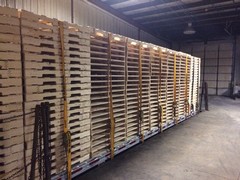
When people ask whether pallets are treated, they are usually referring to one of two processes: heat treatment or chemical treatment. Heat treatment is by far the most common method used in modern manufacturing. The wood is placed in a kiln and heated until its core reaches a specific temperature for a set period of time. This process kills insects, larvae, and fungi that could otherwise hitch a ride inside the wood fibers and spread to new regions.
Chemical treatment, on the other hand, uses fumigants or preservatives to achieve a similar result. This method was once widespread but has fallen out of favor for most shipping applications because of environmental and safety concerns. Today, when buyers ask whether shipping pallets are treated for export, they are almost always talking about heat treatment rather than chemicals. The distinction is important because certain markets and industries have strict rules about what can and cannot be used.
It is also worth noting that not every pallet needs treatment at all. A standard pallet used strictly for domestic shipping within the United States often does not require any formal treatment to be perfectly serviceable. Treatment becomes a legal and practical necessity mainly when wood packaging leaves the country.
When Are Shipping Pallets Treated for Export?
If your goods are headed overseas, the rules change dramatically. International shipments involving solid wood packaging must comply with a standard known as ISPM 15, short for International Standards for Phytosanitary Measures No. 15. This regulation was developed to prevent the spread of pests and diseases through raw wood moving between countries. Under ISPM 15, pallets, crates, and dunnage must be either heat treated or fumigated and then stamped with an internationally recognized mark showing they meet the standard.
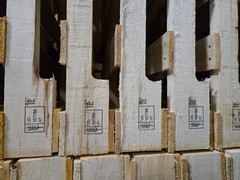
So when someone asks are shipping pallets treated for international use, the answer is yes, they absolutely must be. The familiar stamp, which includes a wheat symbol, a country code, and a treatment abbreviation such as HT for heat treatment, tells customs officials around the world that the wood has been properly processed. Shipping without this certification can lead to costly delays, rejected cargo, or returned shipments at the port of entry.
For businesses in Milwaukee and neighboring communities that ship abroad, working with a supplier who understands these requirements is essential. Our team produces ISPM 15 certified heat treated pallets and export crates in Milwaukee, WI specifically designed to clear international inspections without complications.
How to Tell if Your Pallet Has Been Treated
Checking whether a pallet is treated is easier than most people expect. The clearest indicator is the stamp burned or printed onto the side of the wood. A heat treated pallet destined for export will carry the ISPM 15 mark along with the HT designation. If you see MB instead, that indicates methyl bromide fumigation, a chemical treatment that many companies now avoid.
If a pallet has no stamp at all, it is generally a domestic pallet that has not undergone formal certified treatment. That is completely acceptable for shipments staying within the country, but it will not pass muster for export. Buyers sometimes assume that all pallets are treated the same way, which leads to problems down the line when an untreated pallet is loaded for an international run. Knowing how to read the markings protects you from these surprises.
Here are the quick signals to look for when inspecting a pallet:
- A visible ISPM 15 stamp with a wheat symbol confirms certified treatment for export.
- The letters HT indicate heat treatment, while MB indicates chemical fumigation.
- No stamp usually means the pallet is intended for domestic use only.
Does Treatment Affect Safety and Quality?
A frequent concern is whether treated pallets are safe to handle or to place near food, pharmaceuticals, or other sensitive products. Heat treated pallets are widely considered the safer choice for exactly this reason. Because the process relies on temperature rather than chemicals, there is no residue left behind that could contaminate goods. This is one of the main reasons the industry has shifted so heavily toward heat treatment over the years.
Chemically treated pallets, by contrast, can carry lingering compounds that make them unsuitable for certain applications. If you handle consumable products or work in an environment with strict cleanliness standards, understanding whether your shipping pallets are treated with heat versus chemicals directly impacts your compliance and your customers' safety. When in doubt, ask your supplier to confirm the treatment method in writing.
Quality also plays a role. Properly kiln processed wood tends to have lower moisture content, which reduces warping, mold growth, and weight during transit. Lighter, drier pallets can even lower your shipping costs over time. If you want to explore the full range of options, our custom wood pallets and skids can be tailored to match the exact demands of your product and destination.
Choosing the Right Pallet for Your Needs
The best pallet for your business depends entirely on where your products are going and what they contain. For local and regional distribution that never leaves the country, a durable untreated pallet is often the most cost effective choice. For anything crossing an international border, certified heat treatment is not optional, it is the law. And for specialized loads, custom sizing and reinforced construction may matter just as much as the treatment status.
This is where partnering with an experienced manufacturer pays off. Rather than guessing whether the pallets you purchased will pass inspection, you can work with a team that builds and treats the wood in house. Our custom wooden packaging and pallet services allow us to match the right material and process to your specific shipping profile, whether you are moving machinery, produce, or fragile electronics.
We serve manufacturers and distributors throughout Milwaukee and the surrounding areas, and our reach extends to our industrial lumber mill in Beloit, WI, giving customers across the region access to quality wood products backed by real expertise.
The Bottom Line for Buyers
So the next time you find yourself wondering are shipping pallets treated, remember that the answer hinges on your destination. Domestic shipments typically do not require certified treatment, while international freight demands ISPM 15 compliant heat treatment marked with the proper stamp. Reading those markings, understanding the difference between heat and chemical processing, and confirming details with your supplier will keep your shipments moving smoothly.
At Ongna Wood Products, we take pride in helping businesses make informed choices about the wood packaging they rely on every day. Whether you need a truckload of standard skids or fully certified export crates, our team is ready to guide you. Reach out through our contact page to get answers tailored to your operation and to make sure your pallets are exactly what your shipments require.
Recent Posts
-
-

September 17, 2026
What Are Engineered Wood Products? Uses, Types, and Benefits
-
September 15, 2026
Before You Ship: Are Wood Pallets Treated?
-

September 3, 2026
Basic Wood Products for Shipping That Help Protect Freight