September 17, 2026
July 1, 2026
Are Pallets Pressure-Treated Wood? How to Tell
Pallets play an indispensable role in the transportation and storage of goods worldwide. While they are often overlooked in the grander logistic schemes, understanding their composition and treatment is crucial for both safety and environmental reasons. One prevalent query is, are pallets pressure-treated wood? This question arises particularly for companies like a crate manufacturer in Milwaukee, where distinguishing the types of pallets can significantly impact their operational processes and environmental compliance.
Let's delve into why understanding pallet treatment matters. For businesses involved in food transportation, untreated pallets pose minimal risk of chemical contamination to produce. Simultaneously, industries dealing with outdoor storage need pressure-treated pallets for durability against moisture and pests. Hence, the distinction between treated and untreated pallets is integral, influencing industries ranging from agricultural to warehousing. This blog will guide you through how to accurately determine whether a pallet has been pressure-treated, ensuring the safety and efficiency of your operations.
Understanding Pressure Treatment
What Is Pressure Treatment?
Pressure treatment is a process applied to wood to enhance its resistance to fungi, insects, and weather conditions. Wood is placed in a vacuum chamber where preservatives are forced into the wood fibers under high pressure. This method ensures the preservation reaches deep into the wood, providing long-term protection. Products like fencing, decking, and some pallets may undergo this treatment to extend their service life, particularly when exposed to harsh conditions.
Why It's Done
For pallets, the primary reason for pressure treatment is durability. Pallets meant for outdoor use or export are often pressure treated to withstand environmental elements. This ensures that the materials retain structural integrity over time, reducing the need for frequent replacements. However, this treatment introduces chemicals that may not be suitable for all industries, necessitating careful consideration of pallet usage contexts.
Identifying Pressure-Treated Pallets
- Visual Inspection
The most straightforward method to identify pressure-treated wood is through visual cues. Treated pallets often have a greenish or dark hue, resulting from the chemical preservatives used. However, it's essential to consider that some treated pallets may look identical to their untreated counterparts, making visual inspection alone unreliable.
- Stamps and Markings
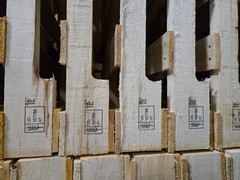
Pallets globally conform to the ISPM 15 regulations, ensuring pest-free international shipments. Look for stamps on the side of the pallets indicating this compliance. A "HT" (Heat Treated) stamp shows the pallet was treated with heat instead of chemicals, while a "MB" (Methyl Bromide) marking indicates chemical fumigation. Though not a direct marker of pressure treating, these stamps are a crucial piece of the puzzle in determining the pallet's treatment history.
- Chemical Residue
In some cases, pressure-treated pallets might emit a distinct chemical odor. This scent can be a tell-tale sign of the presence of preservatives such as chromated copper arsenate and other compounds. Handling these pallets with care is advised, using gloves to reduce direct contact and potential exposure to hazardous chemicals.
Implications for Different Industries
Food Industry Concerns
Pallets used in the food industry must adhere to stringent safety standards. Pressure-treated pallets, given their chemical treatment, are typically unsuitable for direct contact with food items. The risk of chemical leaching into consumables necessitates the use of untreated or heat-treated pallets for food storage and transportation.
Retail and Warehousing
Retailers and warehousing sectors often require durable pallets for efficient stacking and storage. While pressure-treated pallets offer enhanced durability, retailers need to balance this benefit against potential safety concerns, especially for goods used directly by consumers.
Custom Wood Pallets and Crates
Industries requiring specific sizes and strengths may opt for custom solutions. Custom wood crates offer businesses the opportunity to specify pallet treatments according to their needs. In Milwaukee, specialized services provide these custom solutions, ensuring pallets meet industry-specific requirements.
The Environmental Angle
The use of pressure-treated wood raises substantial environmental concerns. While such treatments prolong the life of wood products, the chemicals used can pose environmental risks if not properly disposed of. Ensuring compliance with environmental guidelines and finding sustainable practices for pallet disposal or recycling can mitigate these risks.
When considering whether pallets are pressure-treated wood and the environmental implications, industry professionals must weigh these choices carefully. Sustainable pallet solutions focus on using eco-friendly substances and promoting recycling to minimize ecological impact.
Uncover Industry Insights and Solutions
As we've explored, verifying whether pallets are pressure-treated wood involves a combination of visual inspection, stamp identification, and understanding their application context. This knowledge is pivotal for industries that demand specific treatment types for operational safety and compliance.
Businesses in Milwaukee and beyond, particularly those involved in manufacturing or logistics, would benefit tremendously from professional services such as those offered by us. We provide insights and solutions customized to meet specific industry demands, including custom wood pallets. Complementing this expertise is our commitment to sustainability and quality, addressing every aspect of your wood product needs.
For businesses in Oak Creek, WI, exploring premium solutions in custom wood crates can provide the durability and reliability required for robust logistical functions. This localized service ensures all regional compliance and quality standards are met, giving you peace of mind.
Ultimately, choosing the right pallet - whether pressure-treated or not - can significantly enhance your operation's efficiency and safety. Contact us for all your custom pallet and crate needs, ensuring you're equipped with the best solutions the industry has to offer.
Recent Posts
-
-
September 15, 2026
Before You Ship: Are Wood Pallets Treated?
-

September 3, 2026
Basic Wood Products for Shipping That Help Protect Freight
-
September 1, 2026
Skid Material Basics: What Wood Are Skids Made Of?